The idea
More than ceremony
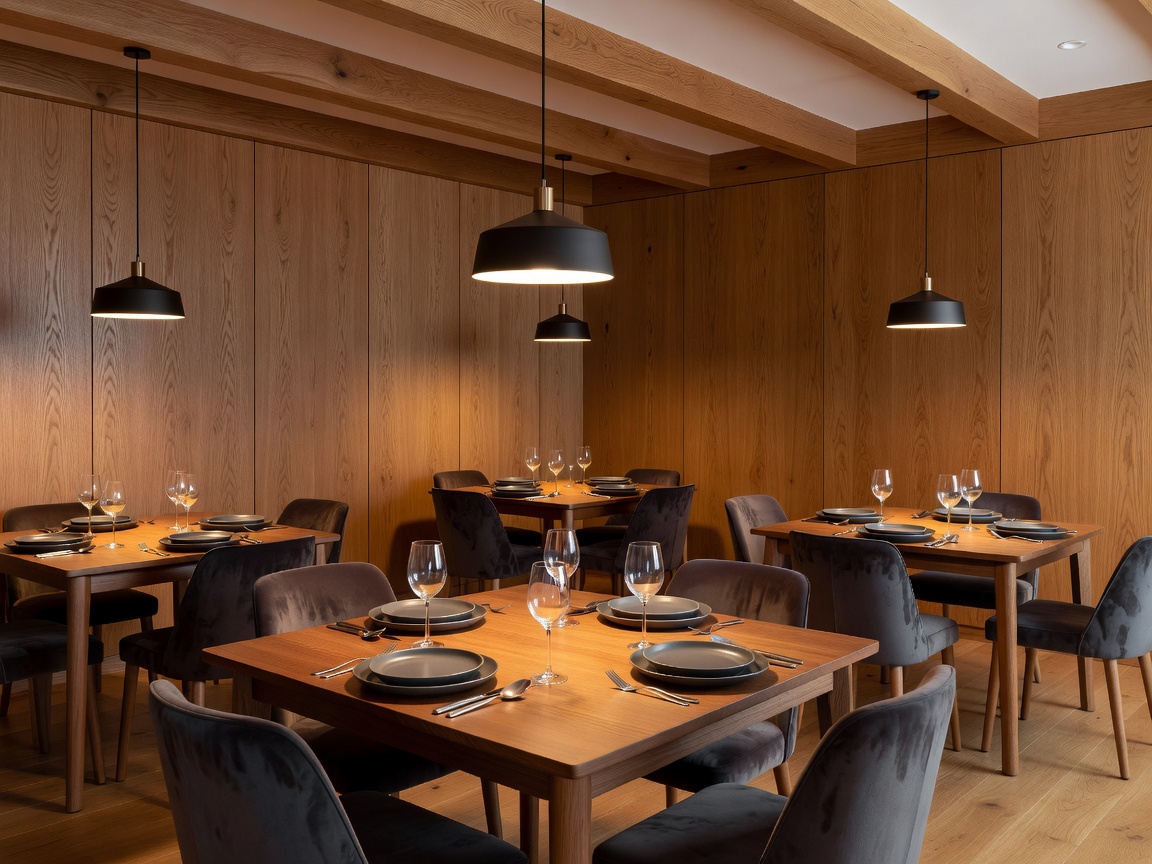
Fine dining is best understood as an approach to the complete meal rather than a fixed dress code, a certain kind of tablecloth or a promise of extravagance. It often brings together deliberate cooking, attentive hospitality and a carefully considered setting. The balance varies: one restaurant may foreground a chef’s seasonal cooking, another a historic room or an unusually personal style of service.
That distinction matters when you are choosing where to eat. A formal multi-course experience can be a pleasure, but it is not the only version of thoughtful dining. A relaxed counter, a neighbourhood dining room with a concise menu or a restaurant rooted in regional cooking can all feel distinctive when food, service and setting make sense together. Ask what sort of evening you want before searching for a label.
A continent of differences
Start with place, not a checklist
In Nordic cities such as Copenhagen, Stockholm and Oslo, diners may encounter contemporary rooms where seasonality and a strong sense of landscape are part of the broader conversation. That is not a rule for every restaurant, but it can be a useful lens when reading a menu or considering the mood of a meal. Nearby Baltic capitals—Tallinn, Riga and Vilnius—offer their own layered food cultures, shaped by local ingredients and distinct histories. Treating them as interchangeable would flatten what makes each worth exploring.
Central European dining in cities such as Vienna, Prague and Budapest may bring a different relationship with café culture, historic rooms and established culinary traditions. Modern kitchens can interpret inherited techniques in new ways, while a classic dining room may preserve a particular sense of ceremony. In the Alpine regions, geography and season can influence what feels local; a city meal in Zurich or Salzburg, for example, is not a substitute for understanding the surrounding region.
Mediterranean dining across places such as Lisbon, Rome, Athens and Barcelona contains many local traditions, not one sunny stereotype. The pace, ingredients and table culture vary from neighbourhood to neighbourhood. Even within a single country, a coastal restaurant and an inland dining room may offer very different contexts. A thoughtful guide helps you notice those distinctions rather than promising one universal “European” experience.
Does this style of cooking, service and room suit the kind of evening you actually want?
A better way to compare
Look at the whole experience
Read a restaurant’s own description, then compare it with independent editorial context. Consider the menu format, likely meal length, location and atmosphere. Chef-led restaurants can put a particular point of view at the centre, while other excellent rooms are defined by a strong regional identity or a welcoming style of hospitality. “Modern European” is a broad description, not a guarantee of a particular menu or mood.
Notice how service is described without assuming that formal means cold. Look for useful information about dietary communication, accessibility, seating and the structure of the meal. If current details are important, verify them directly with the venue. Menus, policies and practical arrangements can change, and an editorial guide cannot confirm today’s details or availability.
Plan with confidence
Good for / what to know
Good for
- Curious diners comparing regional styles.
- Travellers building a meal around a city’s food culture.
- Anyone who values the room and hospitality as much as the plate.
What to know
- Fine dining has no single European definition.
- Formality, pacing and menu structure differ between venues.
- Confirm current details with the restaurant before travelling.
Pros and trade-offs
A focused dining style can make an evening feel coherent and memorable; chef-led menus may introduce you to combinations you would not choose yourself. On the other hand, set menus may offer less flexibility, a longer meal may not suit every occasion, and the most formal atmosphere is not everyone’s preference. The right choice is the one that fits your appetite, companions and plans.
Fine dining becomes less intimidating when you treat it as a meal you can research and shape around your own comfort. You do not need specialist vocabulary. Clear questions, curiosity and a little planning go a long way.