First principles
One menu, many possible shapes
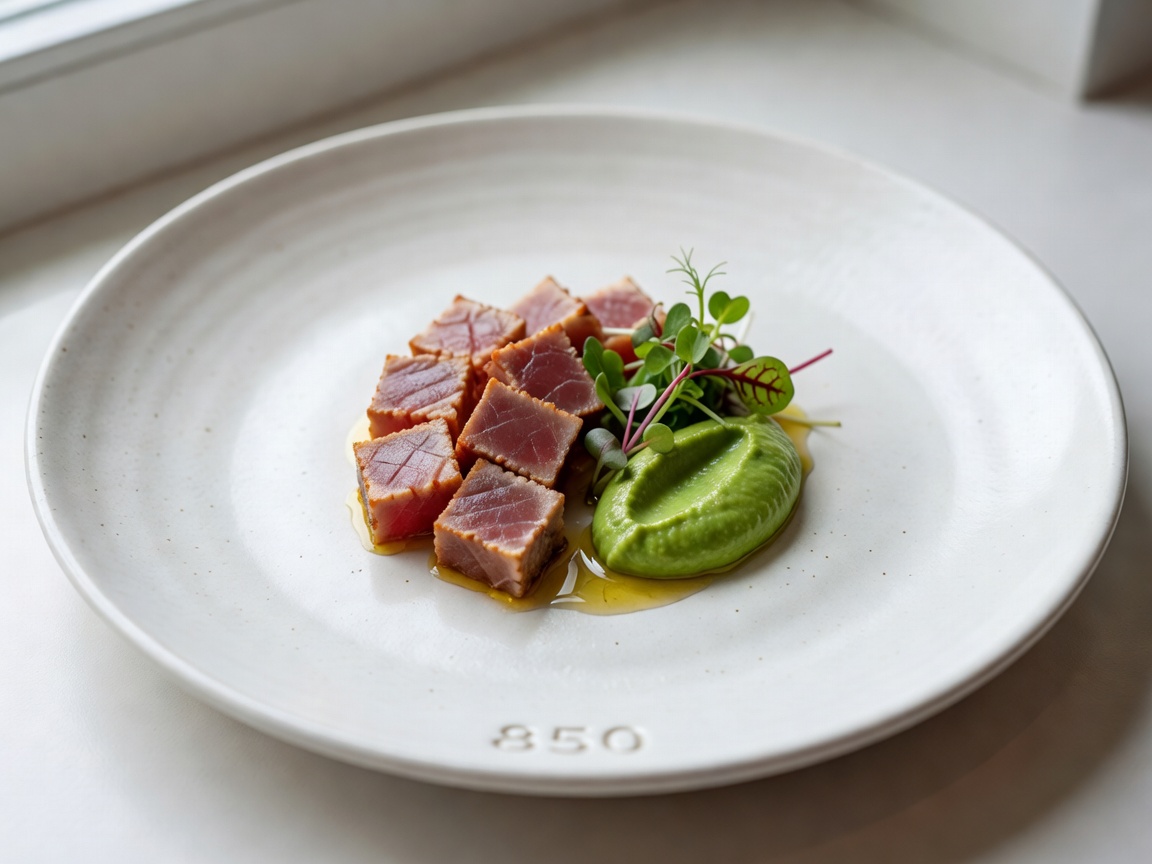
A tasting menu is a meal made up of a planned sequence of smaller courses. The kitchen controls much of the progression, which can make it a useful way to present a particular culinary point of view. Some menus are tightly set; others offer choices at certain points or have shorter and longer formats. Courses may move from lighter flavours toward richer ones, pause between savoury and sweet dishes, or build around a season or theme. Structures vary considerably, so never assume one restaurant’s format applies to another.
Portions are often designed to be experienced as part of a sequence rather than judged as individual entrées. That does not mean you should expect to leave hungry or that every course will be tiny. The length and scale depend on the restaurant’s approach. If meal duration, portion expectations or menu flexibility will affect your evening, ask the restaurant before you visit. There is no need to guess based on photographs or another venue’s menu.

The rhythm
Give the evening some room
Courses arrive over time. A relaxed pace can be part of the pleasure, but timing is a practical consideration if you have a theatre booking, train connection or a young guest with you. Contact the restaurant in advance with your timing constraint rather than trying to accelerate the meal once it begins. If the venue describes a set duration, treat it as guidance and leave a margin for travel afterward.
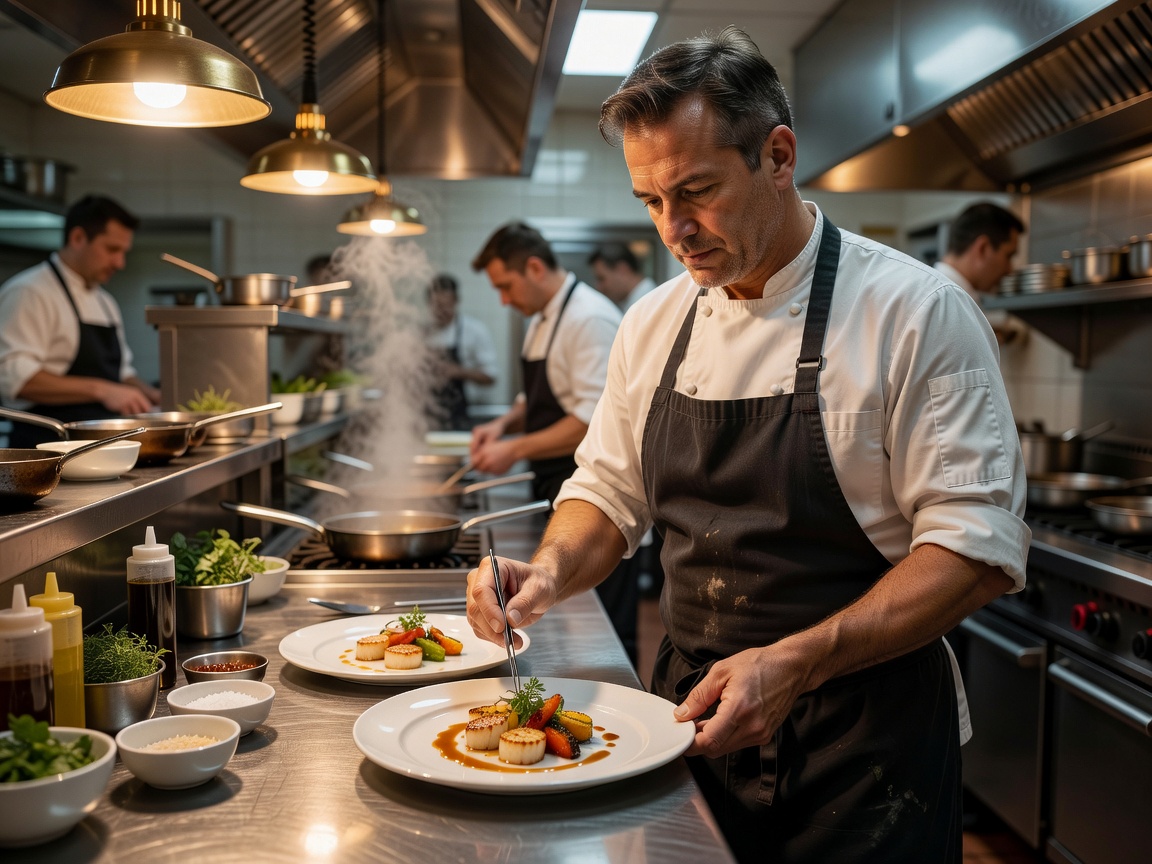
Between courses, there may be a short explanation, a change of cutlery or a pause. You do not need to perform a particular kind of dining etiquette. Listen if a dish is introduced, ask a question if you are curious, and feel free to say when you would prefer a little more time. Clear, kind communication makes the evening easier for everyone. A tasting menu can be an occasion, but it should still feel comfortable.
Menu formats also differ in how much of the experience is revealed beforehand. Some venues publish the dishes; others describe a broad theme or keep details until service. If uncertainty affects an allergy, strong aversion or access need, seek direct clarification rather than relying on a general menu description.
Share essential dietary information early, then confirm that the restaurant has received it.
A useful conversation
Dietary needs deserve clarity
When booking independently with a restaurant, explain allergies and dietary requirements as clearly as possible. Distinguish a medically significant allergy from a preference, and mention cross-contact concerns where relevant. If a guest avoids an ingredient for religious, ethical or personal reasons, say so plainly. A restaurant may need to confirm whether its menu can accommodate the request; some formats have less flexibility than others.
Do not wait until the first course to mention an important need. Contact the venue through its official channel with enough notice for its team to respond, and ask for confirmation if the answer is unclear. If a restaurant cannot safely meet a requirement, that is useful to know before the meal. Dietary communication should never require you to disclose more personal information than is needed to explain the request.
For groups, check whether everyone is expected to follow the same menu format. Some restaurants can offer alternatives, while others may not be able to adapt the sequence for each diner. Ask about children, non-alcoholic pairings and any access considerations at the same time, so the full party can decide whether the format suits them.
At the table
Pairings are optional; curiosity isn’t
A beverage pairing may be offered alongside a tasting menu, but it is not automatically the right choice for every guest. You can ask what a pairing involves, whether portions are served throughout the meal and whether a non-alcoholic alternative is available. Choosing water, a single glass, a non-alcoholic option or no pairing is entirely valid. Alcohol is never a requirement for appreciating a considered meal; if you do drink, make choices that suit you and your plans.
Practical etiquette can remain simple: arrive near the time you arranged, communicate changes promptly, and treat staff and fellow diners with consideration. Check the venue’s own current guidance on dress, photography, children and accessibility; expectations differ. If a dish is unfamiliar, ask about it. If you are full, you can say so respectfully. A tasting menu is not a test of expertise.
Good for
- Diners interested in a kitchen’s progression of ideas.
- Celebrations where a longer, shared experience sounds appealing.
- Guests who enjoy trying varied flavours and textures.
What to know
- Course count, duration and choice vary by restaurant.
- Discuss allergies and timing before the visit.
- Check the current menu format directly with the venue.
Pros: a cohesive sequence can introduce thoughtful combinations and reduce the work of choosing each dish. Trade-offs: a fixed progression may limit choice, take longer and be harder to adapt. If you prefer to order at your own pace, a shorter menu or à la carte format may suit you better.