The conversation
Pairing is about balance
A food-and-wine pairing is an attempt to bring two parts of a meal into conversation. A beverage might echo an ingredient, contrast a dish’s richness, or offer a texture that changes how a flavour is noticed. These are useful ideas, not universal laws. Individual preference matters, and a combination that delights one person may not work for another.
Restaurants may offer a glass-by-glass pairing with a tasting menu, a broader list for diners to choose from, or a range of non-alcoholic drinks. Each format has its own rhythm. A pairing may mean several small pours across a long meal; ask what is included and how it is served before deciding. No particular format is inherently more sophisticated, and you never need to match a drink to every course.

A sense of origin
Regional food and wine can share a story
Across Europe, local food traditions and wine cultures have grown in varied landscapes. The vineyards and kitchens associated with regions of France, Italy, Portugal, Spain, Austria and elsewhere are not interchangeable, and neither are their histories or styles. A restaurant might draw on those relationships, or it may deliberately bring together ingredients and influences from different places. Ask what a pairing is intended to highlight rather than assuming that “local” always means the closest possible source.
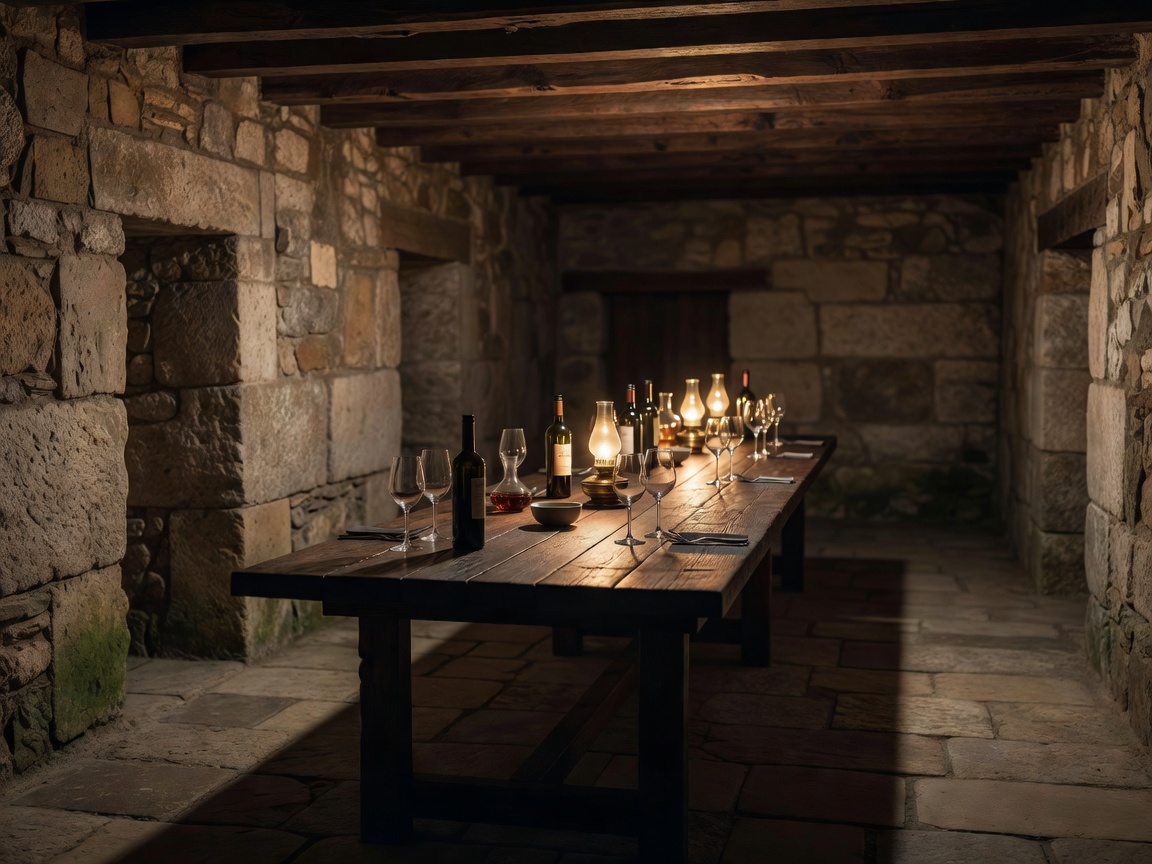
In cities such as Vienna, Lisbon, Bologna or Copenhagen, a wine experience can be shaped by the dining room, the menu and the people explaining the choices as much as by geography. A cellar setting may add atmosphere, but it does not tell you whether the drinks suit your preferences. Think of place as context, not a promise of a particular bottle, vintage, list or availability. Those details change and must be confirmed with the venue.
For anyone planning a trip, a regional pairing can be a way to learn about an area’s food culture. It is only one route in. Markets, cafés, bakeries and everyday restaurants can be just as revealing of local life, often with a different pace and price point.
A thoughtful pairing should add to your evening—not set the rules for it.
At the table
What to ask about the format
If a pairing interests you, ask what its structure is, whether pours are matched to every course, and whether there are alternatives for guests who do not drink alcohol. You can ask for guidance on style without knowing technical terms. A helpful explanation should make the choice clearer, not make you feel tested. It is equally reasonable to choose a single drink, a soft drink or water.
Some wine-focused restaurants centre the list and invite diners to build the meal around it. Others approach wine as one element among many. A sommelier or knowledgeable member of the team can often talk through a preference for lighter, fuller, drier or fruitier styles. You do not need to name a region. If the final selection, price or pour size matters, ask for current specifics directly; this guide does not publish or verify current lists or prices.
When travelling, consider the full evening: how far you need to walk, whether you are driving, and how you will get back to your accommodation. Responsible choices are part of good planning. Never feel obliged to finish a pour or accept a pairing because it appears to be the conventional choice.
An inclusive table
Alcohol is optional
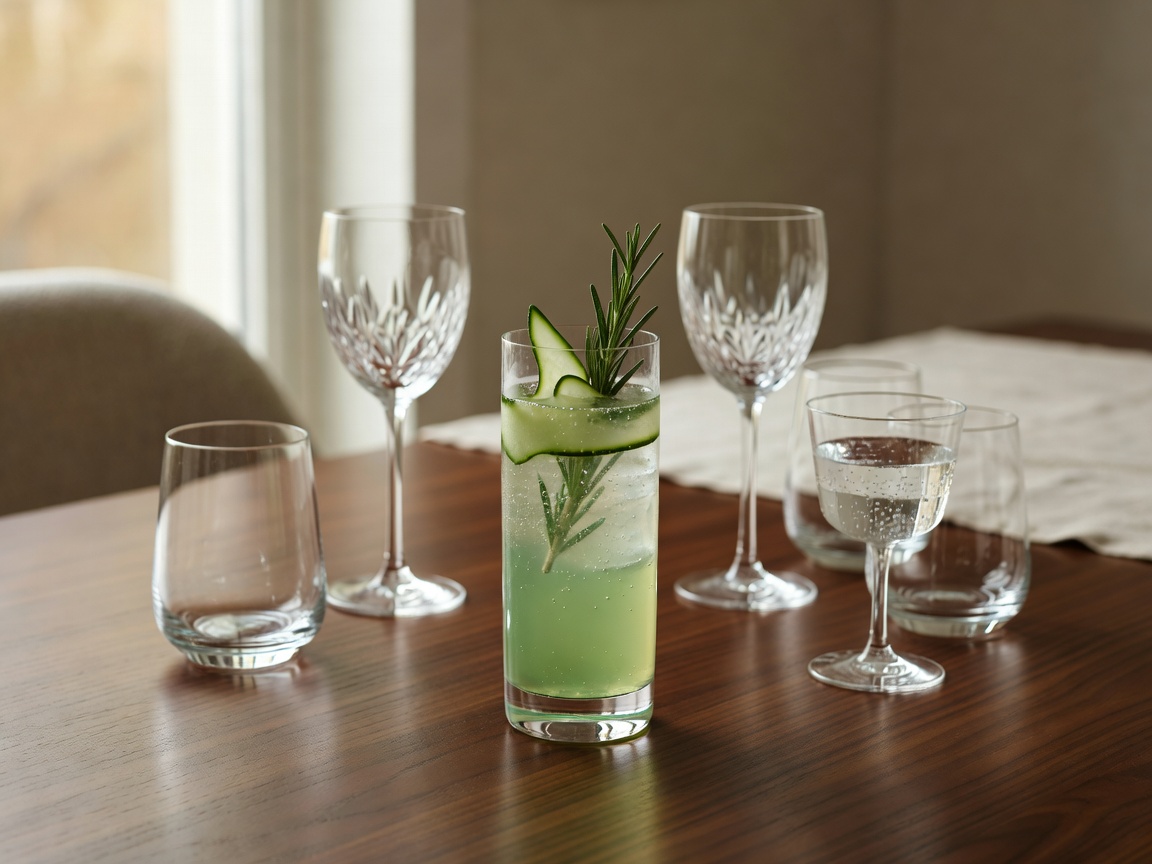
Alcohol-free pairings can use teas, infusions, juices, fermented drinks or carefully prepared non-alcoholic alternatives. What a venue offers varies, and not every restaurant will have a dedicated pairing. Ask in advance if a particular option is important to you. A glass of water or a simple soft drink is also a complete choice; the value of a dining experience does not depend on alcohol.
Personal preference, medication, pregnancy, recovery, faith, health and practical travel plans can all shape a guest’s decision. No explanation is owed beyond what you choose to share. If you do consume alcohol, do so responsibly and follow local laws. Arrange a safe way home and make choices that suit your wellbeing.
Good for
- Diners curious about how drinks change a dish.
- Guests interested in regional traditions and cellar settings.
- Groups who want flexible alcoholic and alcohol-free choices.
What to know
- Pairing structure and options vary by venue.
- Confirm current drinks, prices and format directly.
- Alcohol is never necessary for a complete experience.
Pros: a pairing can create an engaging thread through a menu and introduce unfamiliar styles. Trade-offs: it may add structure, cost or alcohol that you do not want. Choosing à la carte, sharing a bottle, selecting one glass or opting out can be more comfortable.