The first impression
Space sets a rhythm
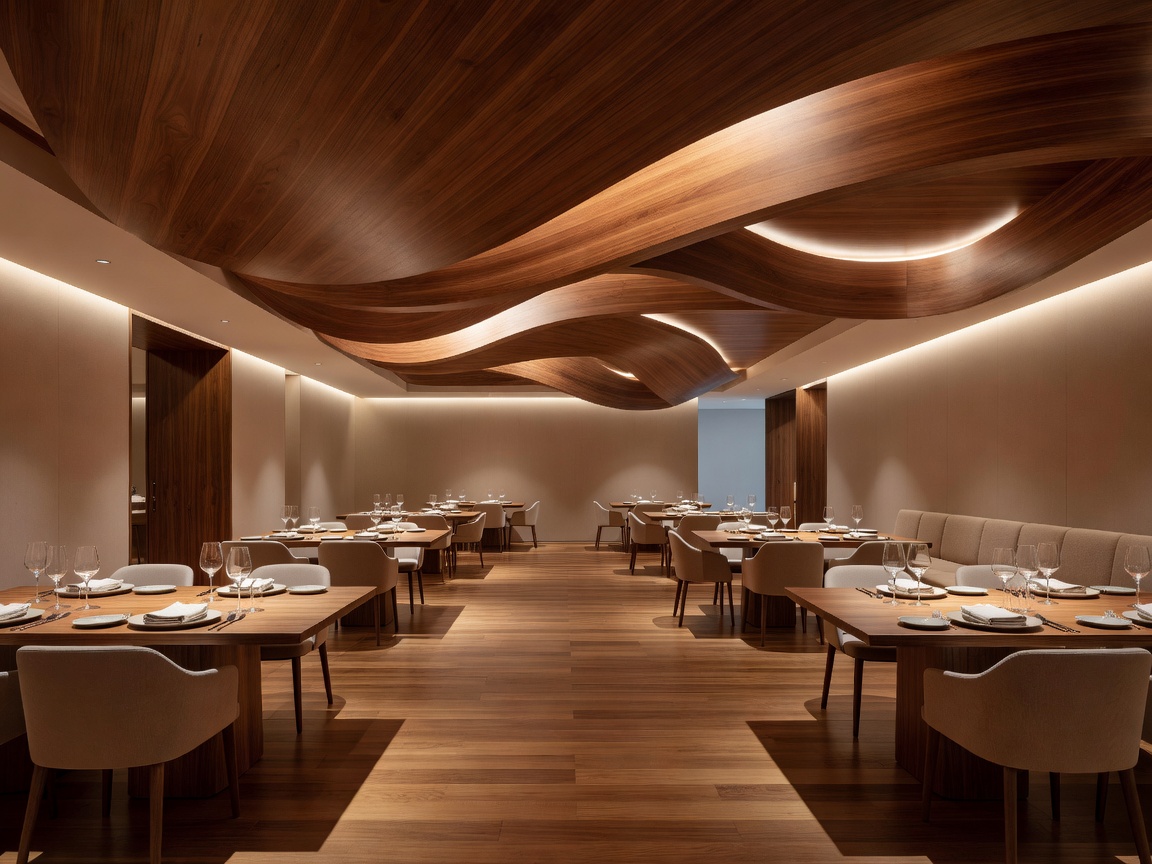
Before a dish arrives, the architecture has already begun to shape the evening. Ceiling height, the route from entrance to table and the relationship between public and quieter areas influence how a room is experienced. A compact restaurant can feel lively and close; a larger room may create a sense of ceremony or offer more separation. Neither quality is automatically better. What matters is whether the room suits the meal and the people sharing it.
Spatial layout also affects practical comfort. Table spacing, clear circulation routes and the way a server approaches a table can influence privacy and ease of movement. Kitchen visibility changes the mood again: an open pass can bring energy and a sense of craft, while a more enclosed kitchen keeps attention on conversation and the dining room. A view into the kitchen is not a measure of cooking quality—it is one choice among many ways to frame an experience.
A quiet design tool
Light changes what you notice
Daylight, candles, pendants and concealed lighting all influence how a dining room reads. Softer, warmer light can make a room feel intimate; brighter light may bring energy and make the menu easier to read. The effect is personal, and changing light across an evening can make a restaurant feel different from arrival to dessert. A dramatic fixture can create a focal point without needing to dominate the whole space.
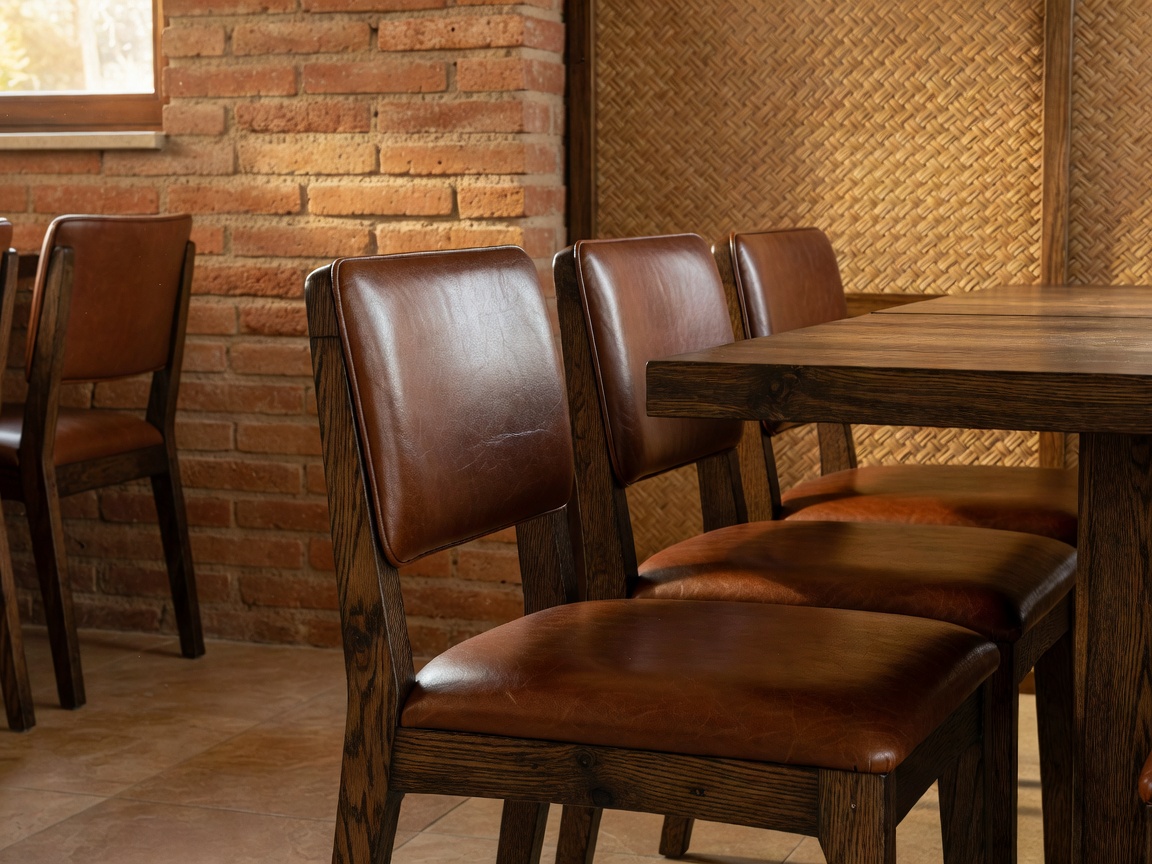
Materials contribute their own character. Natural stone, timber, linen, ceramics, metal and glass create different visual and tactile impressions. Their colour, finish and scale can either calm a room or add texture. Thoughtful restraint can be as expressive as ornament; no particular material guarantees quality or comfort. Good design is less about expensive finishes than about how a room’s elements work together for its purpose.
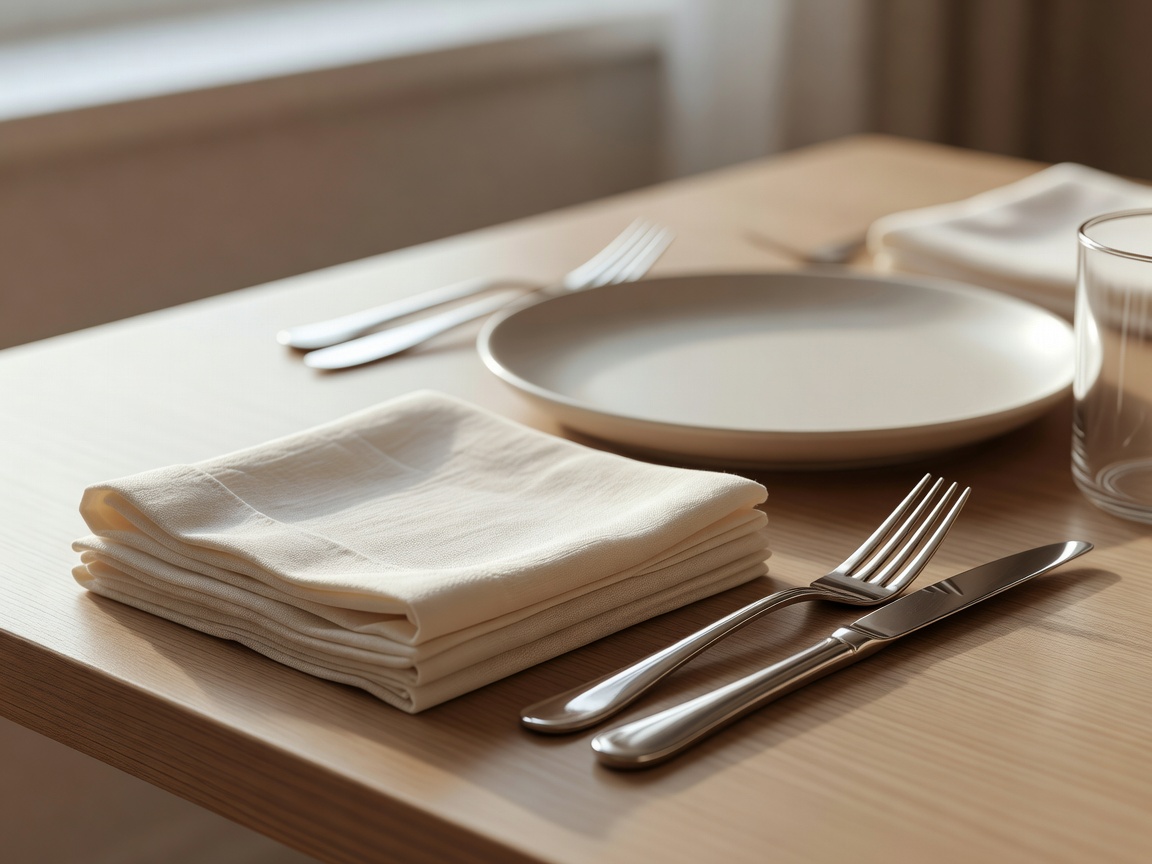
Table settings are part of this vocabulary. Plate shape, cutlery weight, glassware and linen can support the style of a meal, but details should remain comfortable to use. A setting can be elaborate, spare or somewhere between. Consider whether it leaves enough space for the dishes, drinks and conversation rather than assuming more objects mean more care.
An impressive interior can set a mood. It cannot, by itself, tell you whether the food will suit you.
The invisible layer
Acoustics are part of hospitality
Sound can be one of the most important—and least visible—parts of a dining experience. Hard surfaces may reflect conversation; curtains, upholstery and other soft elements can absorb some of it. Music level, kitchen activity and table density each contribute to the room’s energy. Some guests enjoy a lively atmosphere; others prefer the ease of a quieter conversation. Neither preference is universal.
If sound, mobility or seating is important to you, ask the restaurant whether it can offer information about the space or accommodate a particular request. A venue may not be able to guarantee a precise table or sound level, but an early conversation can help you make an informed choice. For guests with sensory sensitivities, advance planning can be a useful part of deciding whether a room will feel comfortable.
Atmosphere comes from the relationship between these elements rather than a single design trick. An elegant dining room can still feel relaxed; a modest room can feel deeply considered. Service rhythm, lighting and the behaviour of a crowd all shift the perception of a place, sometimes more than its furniture does.
What to notice
Let the details work together
When researching a restaurant, look for images that show more than a single decorative corner. Notice the scale of tables, whether there is a visible counter or open kitchen, and how the room’s materials relate to its setting. These clues can help you imagine the atmosphere, but photographs cannot fully convey sound, temperature, comfort or service. Treat them as context, not proof of what your visit will be like.
Restaurant interiors are not a quality shortcut. A beautifully designed space may support a clear point of view, yet expensive finishes do not automatically mean better food or a more attentive team. Conversely, a simple interior can be warm and memorable. The best room for you is the one that makes the meal, conversation and occasion feel at ease.
Good for
- Diners choosing a room for a particular occasion or mood.
- Guests who care about sound, seating or sensory comfort.
- Anyone curious about the full design of a meal.
What to know
- Images give an impression, not a guarantee of atmosphere.
- Ask the venue about access or seating needs in advance.
- Interior investment does not determine food quality.
Pros: considered design can make a meal feel coherent and comfortable. Trade-offs: dramatic rooms may be louder or less suited to every guest, and photographs can conceal practical details. Let your own needs guide the choice.